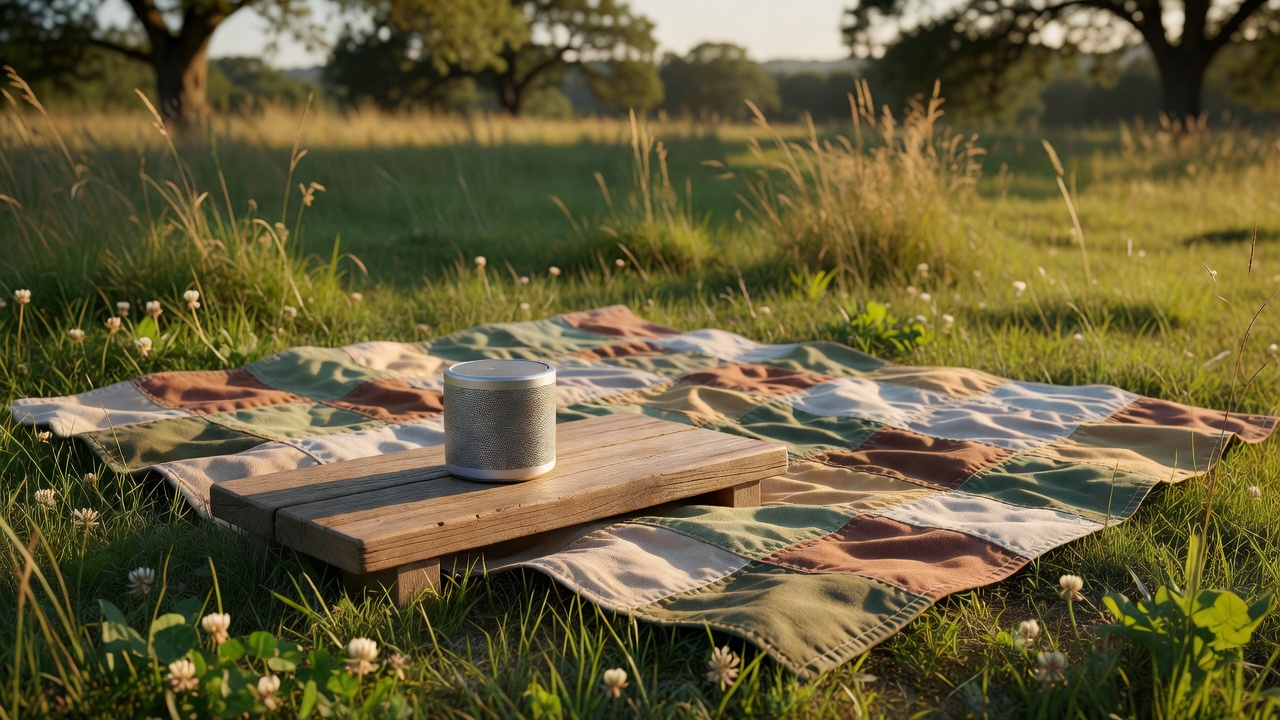
Permission comes before pairing
Outdoor space is shared space, and a battery-powered speaker is still amplified sound. Check the official rules for your exact location, date and type of gathering. Some parks restrict all amplification; others require permits or set conditions for group activities. A quiet speaker does not create an exemption. If the rules are unclear, ask the land manager or plan an afternoon without it.
Rules can differ even between neighbouring places. London’s Royal Parks, New York City’s Central Park and National Park Service sites in the United States each have their own management arrangements and activity guidance. These are examples of places to research, not recommendations that music is permitted. Follow current official information rather than a social media video of someone else using a speaker there.
Choose a simple, sufficient setup
For a small conversational picnic, start by considering whether you need amplified music at all. If you do, one portable speaker is easier to manage than several linked units. More equipment means more batteries, more controls and a wider sound footprint. Look for clear low-volume playback, reliable physical controls and enough battery capacity for your intended use, rather than maximum loudness.
Manufacturer battery estimates depend on conditions and settings. Charge at home, test the equipment beforehand and assume that high volume, cold weather or other features may shorten runtime. Keep a compatible power bank only if the speaker supports it safely. Do not build your plan around an untested charging cable or a mains supply you have not been authorised to use.
Place sound inside the gathering
Put the speaker on a stable surface close to listeners and aim it towards the group, not across a path or towards another picnic. Avoid placing it at someone’s ear or attaching it to a chair without their agreement. Keep it away from blanket edges where drinks spill and from places where a child could pull it down.
Sound behaves differently around water, walls and open grass. Do not assume trees will contain it. Walk to the edge of your seating area while another person listens near the speaker. If the music is clearly intruding on neighbouring space, lower it, change the arrangement or stop. Moving the group closer together is often more considerate than turning the volume up.
Use conversation as your first check
Begin with the volume low, play a representative track and ask two guests to speak normally across the seating area. They should not need to project or repeatedly lean forward. Check again when more people arrive, when the wind changes or when a louder recording begins. Turn down prominent bass and disable unnecessary sound effects if they make the music harder to ignore.
There is no universal volume percentage that makes a speaker suitable outdoors. Devices, tracks and distances vary. The World Health Organization’s safe-listening guidance is useful background on hearing exposure, but it is not a local park sound permit. Phone sound-meter apps can provide rough context; they are not a substitute for calibrated measurement where legal limits apply, or for listening to an uncomfortable guest.
Prepare the source without taking over the day
Choose a downloaded playlist where your service and account permit offline use, and test playback before leaving home. Turn off unwanted notification sounds and avoid handing playback control around without agreement. A surprise alarm, advertisement or sudden loud track can undo an otherwise gentle atmosphere. Keep the controlling phone within reliable range rather than carrying it away on a walk.
Use a short playlist that can end. Do not let automatic recommendations dictate the rest of the afternoon. If a live player starts, pause recorded music instead of layering it underneath. Ask before photographing or recording anyone, and remember that personal streaming access does not automatically cover every public performance or organised event.
Protect people before equipment
Check the maker’s exact water-resistance rating and care instructions. An IEC 60529 IP rating describes particular test conditions; it is not a promise that every port, cable or charging situation is safe in rain. Keep equipment dry, avoid charging wet devices and do not handle a damaged or swollen battery. Leave mains-powered setups to properly planned, authorised arrangements.
If rain develops, pause and pack away safely. If thunder is audible, stop the gathering and seek a substantial building or enclosed hard-topped vehicle; a tree or picnic shelter is not an adequate lightning refuge. Finish by checking the area for cables, packaging and small accessories. The best sound setup is one that stays easy to manage and leaves no problem behind.